
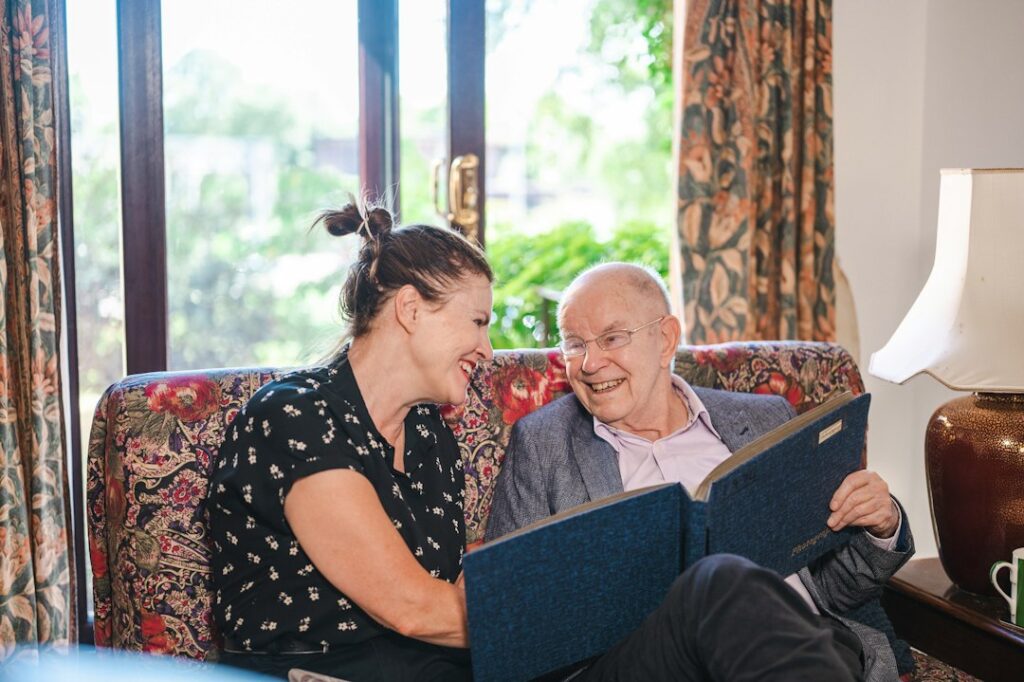
Visiting a family member or friend in an assisted living community can be a meaningful part of staying connected. Good visits support emotional well-being, preserve dignity, and help visitors understand how daily life is going. They also require flexibility because residents may have changing energy levels, health needs, routines, and preferences.
Should visitors make arrangements before arriving?
Yes. Calling ahead or following the community’s visitor procedures helps prevent interruptions and ensures the resident is available. Some residents may be at a meal, participating in an activity, resting, receiving care, or attending an appointment.
Before visiting, confirm:
- The preferred visiting hours
- Whether visitors need to sign in or show identification
- Any current health or infection-control rules
- Whether children or pets are permitted
- Where visitors should park or enter
- Whether the resident would prefer a private room visit or time in a common area
Unannounced visits are not always harmful, but they can be stressful for someone who needs a predictable routine. A short message or phone call before leaving home can make the visit more comfortable.
What should visitors do if they are sick?
Visitors should postpone the visit if they have symptoms of a contagious illness. This includes fever, persistent cough, vomiting, diarrhea, unusual fatigue, or a recent known exposure to an infectious disease.
Older adults and people with chronic health conditions may become seriously ill from infections that cause only mild symptoms in younger adults. A visitor who feels “almost well” may still expose residents and staff.
If the visit cannot wait, ask whether there is an approved alternative, such as a phone call, video conversation, window visit, or another arrangement permitted by the community. Handwashing upon arrival and avoiding shared food or close physical contact during illness-related concerns are also sensible precautions.
Seasonal conditions can affect travel and health routines in Cheltenham, especially during winter weather, summer heat, and periods of respiratory illness. Visitors should allow extra travel time rather than arriving rushed or bringing unsafe outdoor conditions into the visit.
How long should a visit last?
The right length depends on the resident, not a fixed rule. Some people enjoy a long afternoon, while others become tired after 20 or 30 minutes. Changes in memory, hearing, vision, pain, medications, or sleep can affect how much conversation and activity a person can comfortably manage.
Signs that a visit may be ending include:
- The resident becomes quiet, restless, or irritable
- The person repeatedly says they are tired
- Attention becomes difficult to maintain
- The resident starts closing their eyes or looking away
- Personal care, meals, or scheduled activities are approaching
Ending before the resident becomes overwhelmed is often more considerate than waiting for an obvious sign of distress. A warm, simple goodbye can provide reassurance without creating pressure for a longer visit.
What topics make visits easier?
Conversation usually works best when it is familiar, concrete, and connected to the resident’s interests. Asking open-ended questions can help, but complicated or rapid questions may be tiring.
Helpful topics may include:
- Family updates presented in small, clear pieces
- Favorite music, television programs, books, hobbies, or recipes
- Photographs labeled with names and relationships
- Memories of holidays, work, school, or neighborhood life
- Changes in the season, such as gardening, changing leaves, or winter preparations
- Simple choices, such as whether to sit inside or outdoors when conditions are comfortable
Avoid testing memory with questions such as “Do you remember who I am?” or correcting every detail in a story. If a resident confuses dates or names, gentle redirection is usually less upsetting than an argument. The purpose of the visit is connection, not examination.
Visitors should also avoid discussing upsetting family conflicts, financial disputes, or medical decisions in front of the resident unless the resident is appropriately involved and the conversation is necessary.
Is it appropriate to bring food, gifts, or activities?
Small, familiar items can make a visit enjoyable, but visitors should check first. Dietary restrictions, swallowing difficulties, diabetes, allergies, religious practices, and medication schedules may affect what a resident can safely eat.
Before bringing food, ask whether it needs to be:
- Soft or easy to chew
- Low in sugar, salt, or certain ingredients
- Refrigerated or consumed immediately
- Cleared by nursing or dietary staff
- Limited because of a therapeutic diet

Useful visit items may include a photo album, large-print magazine, simple craft, favorite music, handwritten note, or seasonal decoration that does not create clutter. Strong fragrances, fragile objects, small pieces, and items that could be mistaken for medication may be poor choices.
Do not give a resident another person’s medication, supplements, alcohol, or unapproved over-the-counter products. Even familiar remedies can interact with prescriptions or medical conditions.
How should children and pets behave during a visit?
Children can bring energy and comfort, but visits should match the child’s age and the resident’s tolerance. Explain beforehand that the resident may speak slowly, repeat questions, use mobility equipment, or need quiet time.
Children should be encouraged to:
- Use indoor voices
- Ask before hugging or touching
- Avoid moving walkers, wheelchairs, or personal belongings
- Stay with the visiting adult
- Take breaks if the setting becomes overwhelming
Pets may be comforting, but approval is generally required. Animals should be clean, controlled, calm, and safe around people who may have fragile skin, allergies, fear, or impaired balance. A resident should never be pressured to interact with an animal.
What privacy rules should visitors follow?
Residents retain personal privacy and dignity in assisted living. Visitors should knock before entering a room, ask permission before taking photographs, and avoid recording conversations without consent.
Do not share a resident’s medical information, room number, photographs, or personal details online without permission. A casual post can reveal more than intended, including the resident’s location, health condition, visitors, or daily schedule.
Visitors should also respect the privacy of other residents. Do not photograph people in common areas unless they have clearly agreed, and do not discuss another resident’s behavior, diagnosis, or family circumstances.
Should visitors report concerns to staff?
Yes, but concerns should be communicated calmly and through the appropriate process. A visitor who notices a fall, sudden confusion, breathing difficulty, chest pain, serious injury, or immediate danger should alert staff at once rather than trying to manage the emergency alone.
For less urgent issues, write down specific observations instead of making broad accusations. Useful information includes:
- What was observed
- When it happened
- What the resident said
- Whether the issue is new or recurring
- Which staff member was informed
Visitors can be helpful observers, but they may not see the full care picture. Staff may need to protect private information about treatment, other residents, or care decisions. Respectful questions generally produce more useful communication than confrontational demands.
How can visits remain meaningful when in-person time is difficult?
A visit does not have to be long or elaborate to matter. Regular short visits can be easier to maintain than occasional lengthy ones. If travel is difficult because of weather, transportation, work schedules, or household responsibilities, a consistent phone call or familiar recorded message may still provide reassurance.
For residents who have memory loss or fatigue, repetition can be comforting. The same greeting, favorite song, simple activity, or familiar photograph may work better than a constantly changing plan.
The most considerate approach is to treat each visit as time shared with a person who has preferences, boundaries, and changing abilities. Patience, privacy, health awareness, and attention to nonverbal signals help make visits more comfortable for residents, families, friends, and the wider community.
