
How Do Seniors Typically Feel About Moving to Assisted Living?
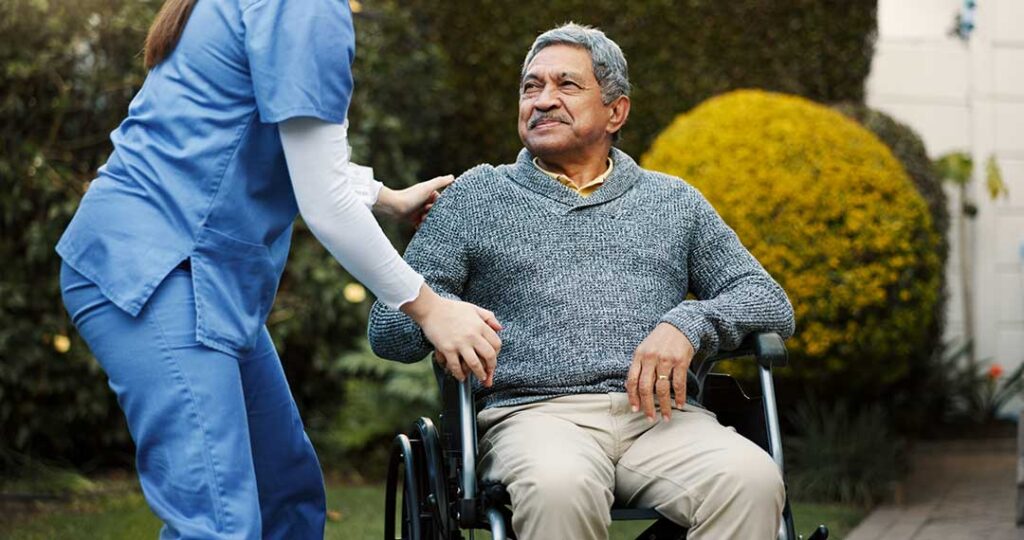
Most seniors experience a mix of emotions before moving to assisted living—relief, anxiety, loss, hope, and sometimes uncertainty. The transition often feels overwhelming because it means leaving the familiar behind, including a private home, established routines, and sometimes treasured pets or neighbors. In Cheltenham, PA, where many homes are multigenerational and neighborhoods have strong ties, a move out of long-time residences can be particularly emotional. Family members play a crucial role in recognizing these feelings and validating them with patience and open conversation.
How Can Families Ease the Emotional Impact of Transition?
The first few weeks after a move are typically the most challenging. Families can help by staying involved and keeping routines as intact as possible, especially during the first month. In the context of Cheltenham’s close-knit community, regular visits—even short ones—help reassure new residents that they remain connected to their support network.
Simple, supportive gestures include:
- Calling or visiting frequently in the early days
- Bringing personal items from home, such as photo albums or favorite books
- Including familiar foods or culturally meaningful touches to their new space
Many families in the area also find comfort in attending community events together or participating in intergenerational activities and holiday traditions, which strengthen bonds beyond the walls of the new residence.
What Are Common Misconceptions About Assisted Living Adjustment?
A common misconception is that difficulty adjusting means the move was a mistake. In reality, the adjustment process takes time and varies widely between individuals—what feels like a setback one week may be followed by progress the next. Another misunderstanding is that seniors will immediately make new friends or feel at home. Building community within assisted living takes patience, especially for those used to independent lives in the Cheltenham area, where many have lived in the same house for decades.
How Can Daily Routines and Familiarity Be Maintained?
Bringing elements of a senior’s former routine into their new living space helps minimize the feeling of loss. This might mean:
- Keeping favorite chair or bedding for comfort
- Maintaining daily rituals, such as reading a morning newspaper or taking afternoon walks (weather permitting along local sidewalks or indoor common areas)
- Scheduling calls or video chats with friends from their old neighborhood
Creating a sense of continuity lessens the emotional impact of the changes, especially in a location with distinct seasons like Cheltenham, where familiar outdoor habits may need to be adapted to the climate or new surroundings.
How Can Seniors Stay Connected to Their Community After Moving?
Staying engaged with the world outside of assisted living is vital. In a place with a rich local culture like Cheltenham, families can help by:
- Arranging transportation to favorite local parks, libraries, or houses of worship
- Facilitating membership in local clubs or volunteer organizations that welcome senior participation
- Bringing grandkids or friends from familiar activity groups to visit
Additionally, keeping up with neighborhood news, events, and traditions—through newsletters, social media, or community resources—helps preserve a sense of identity.
What Role Does Personalization of Living Space Play?
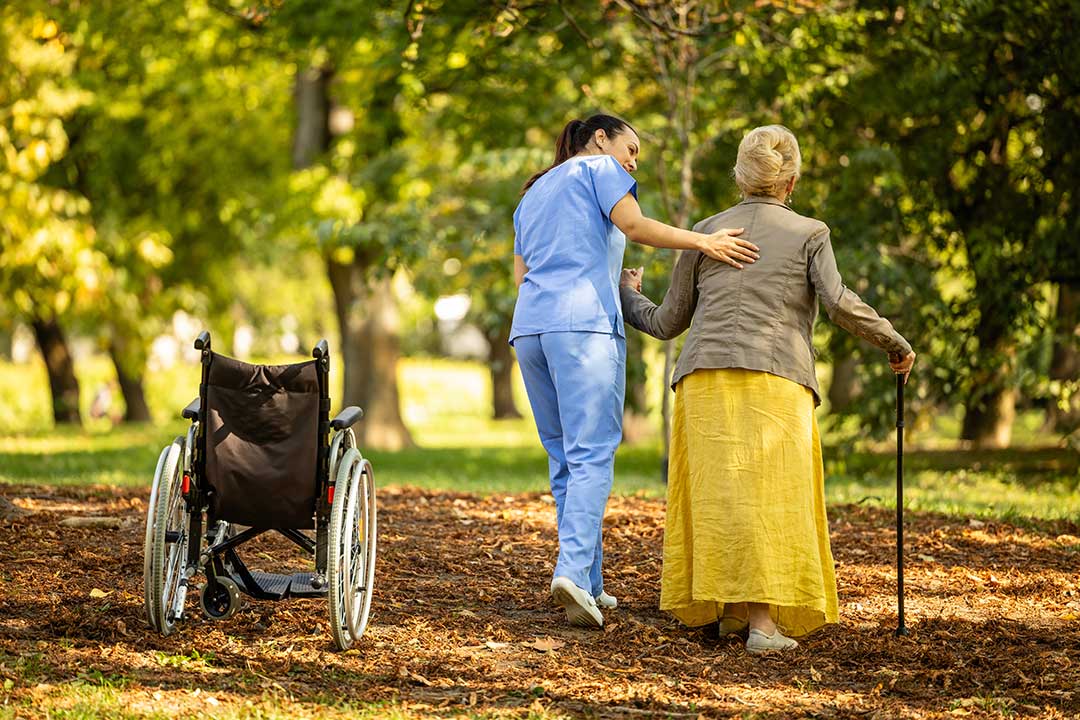
Personalizing the living space is a powerful tool for easing adjustment. Residents benefit from layouts that reflect their preferences and history, such as:
- Displaying cherished artwork or heirlooms
- Setting up hobby stations with materials for knitting, puzzles, or painting
- Using familiar lamps, clocks, or décor to evoke comfort
For those from Cheltenham’s diverse households, including mementos that celebrate cultural backgrounds or traditions strengthens ties to their roots.
How Can Residents Build New Relationships in Assisted Living?
Making new friends is rarely instant. Seniors may need encouragement to join social activities, but gentle introductions and shared experiences can foster new connections. For those shy or reserved, even sitting with others during meals or joining casual games can be a first step toward belonging.
With Cheltenham’s seasonal events and varying weather, indoor group activities—craft days, music sessions, or story circles—often offer low-pressure opportunities for socializing when outdoor activities aren’t possible.
How to Address Reluctance or Regret After Moving?
It’s common for some seniors to express regret shortly after moving, questioning whether the decision was right. Rather than interpreting this as failure, it’s helpful to acknowledge the feeling and revisit the reasons the move was necessary, whether for safety, companionship, or maintenance relief.
Residents in Cheltenham, especially those used to older homes that require ongoing upkeep, often discover a sense of relief once they’ve settled and no longer have to worry about shoveling snow in winter or maintaining large gardens in the spring and summer.
Are There Local Resources for Emotional Support?
Emotional support is available through a variety of channels. Many local religious congregations offer outreach to seniors adjusting to major life changes. Libraries and community centers in the area provide resources for family caregivers, such as discussion groups or informational pamphlets focused on transition issues.
Neighbors often play a crucial role in encouragement and ongoing visits, making the adjustment feel less abrupt. Participating in regular community or faith-based events often helps restore a sense of belonging for new residents.
When Should Families Seek Professional Assistance?
Some seniors experience more pronounced anxiety or depression after a move. If symptoms are disruptive—such as withdrawal from all activities, significant appetite changes, or persistent sadness—outside help may be appropriate. Cheltenham area families often consult their loved one’s primary care physician, who can recommend mental health resources focused on older adults if needed.
