
Assisted living can support an active lifestyle by making movement, social participation, and everyday independence easier to maintain. The goal is not athletic performance. It is helping each resident remain as mobile, engaged, and confident as possible while adapting activities to individual abilities.
What does an active lifestyle mean in assisted living?
An active lifestyle includes more than formal exercise. It may involve walking to meals, joining a group activity, tending plants, participating in an outing, or practicing movements that support balance and strength.
Residents may have different activity goals. One person may want to walk independently through the building, while another may focus on transferring safely from a chair or participating in a favorite hobby. A useful activity program recognizes these differences rather than measuring everyone by the same standard.
Common forms of activity include:
- Walking indoors or outdoors
- Stretching and range-of-motion exercises
- Seated strength or flexibility classes
- Dancing or music-based movement
- Gardening and light household tasks
- Games that involve standing, reaching, or coordination
- Group outings and community events
- Hobbies that encourage hand movement and concentration
The most appropriate level of activity depends on health history, balance, endurance, pain, vision, and medical guidance.
How does assisted living make regular movement easier?
Assisted living environments can reduce several practical barriers that make activity difficult at home. Meals, programs, and common areas are often located within the same setting, so residents may have more opportunities to move naturally throughout the day.
A resident who previously spent much of the day alone in one room may walk to a dining area, visit a shared lounge, attend an activity, or stop to talk with neighbors. These short trips can add up without feeling like a formal workout.
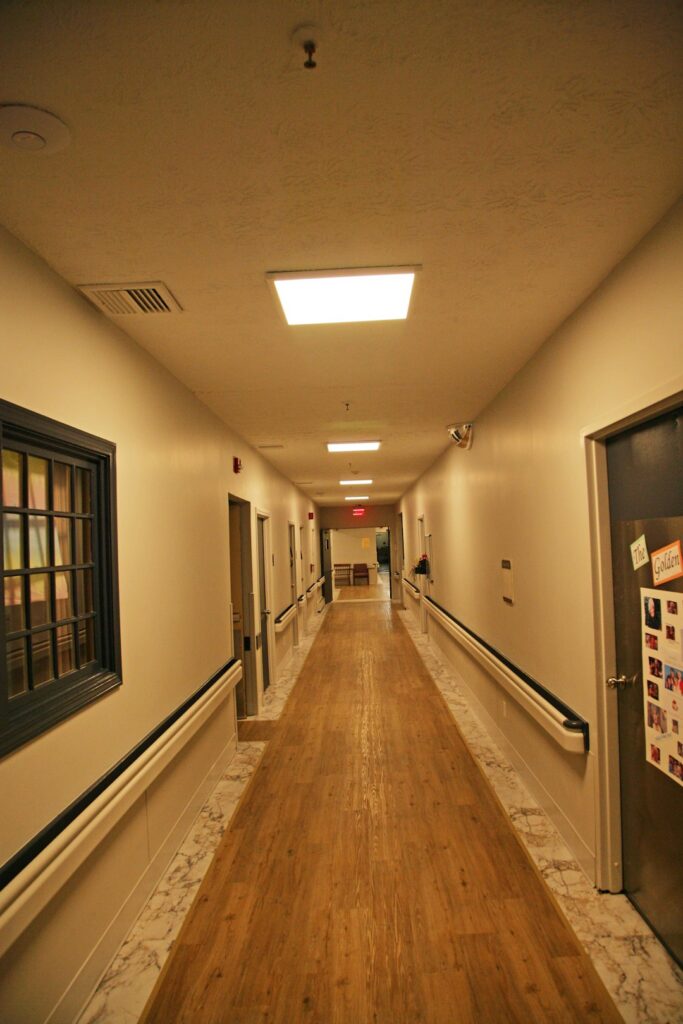
Accessible design also matters. Features such as handrails, elevators, clear walkways, suitable lighting, and places to rest can make movement feel more manageable. These features do not eliminate fall risk, but they may help residents participate with greater confidence when used appropriately.
In Cheltenham, PA, seasonal weather can affect outdoor walking. Cold temperatures, rain, snow, and icy surfaces may make indoor activity especially useful during parts of the year. Safe indoor routes, seated programs, and supervised movement can help maintain routines when outdoor conditions are unfavorable.
Which activities help with strength, balance, and flexibility?
Different activities support different aspects of physical function.
Strength activities may include rising from a chair, light resistance exercises, carrying small objects, or repeated leg movements performed while seated or standing. Stronger legs and core muscles can support transfers, walking, and daily tasks.
Balance activities may involve controlled weight shifting, standing with support, heel-to-toe movements, or stepping exercises. These should be adapted carefully for anyone with a history of falls, dizziness, or significant weakness.
Flexibility activities often include gentle stretches for the shoulders, neck, hips, ankles, and legs. Maintaining range of motion can make dressing, reaching, turning, and personal care easier.
Endurance activities may include walking, seated stepping, dancing, or longer periods of participation in a group activity. The intensity should allow the resident to continue comfortably without unusual shortness of breath, chest discomfort, or severe fatigue.
Activity does not need to be strenuous to be useful. Consistent, moderate movement is often more realistic and sustainable than occasional demanding exercise.
Can residents stay active if they use a walker or wheelchair?
Yes. Mobility equipment does not automatically prevent an active lifestyle. It may help a resident move safely and participate more fully.
A person who uses a walker may take several short walks instead of one long walk. Someone who uses a wheelchair may participate in seated strength exercises, upper-body movement, stretching, games, dancing with arm motions, or group outings.
The activity should match the resident’s abilities and equipment. Wheelchair brakes, footrests, seating position, footwear, and the condition of walking aids all affect safety. Residents should also avoid trying to exercise through sudden pain, new weakness, dizziness, or unusual breathing difficulty.
The purpose of assistance is to support participation, not to take over every task. Allowing a resident to complete safe parts of an activity independently can help preserve confidence and functional ability.
Why do social activities support physical health?
Social participation can make movement more appealing and easier to maintain. Many people are more likely to attend a class, walk to a group event, or try a new activity when others are involved.
Group activities may also address emotional barriers. Depression, loneliness, fear of falling, and low confidence can all reduce motivation to move. Friendly routines and familiar faces may help residents feel comfortable taking part.
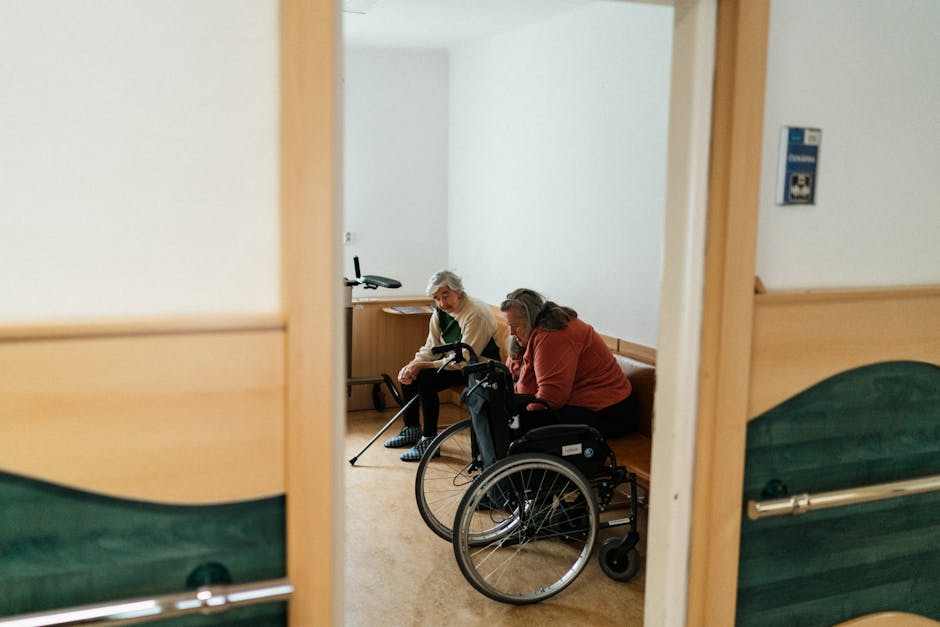
Social activity does not have to be competitive. Conversation groups, music programs, crafts, card games, and shared meals can provide mental and emotional stimulation. Activities that combine social interaction with standing, walking, reaching, or hand movement offer additional physical benefits.
A resident who dislikes exercise classes may still enjoy helping arrange materials, watering plants, greeting others, or participating in music. These activities can support engagement without being labeled as exercise.
How can families encourage activity without creating pressure?
Families can support an active lifestyle by focusing on interest, routine, and ability rather than performance. Asking what the resident enjoys may be more productive than insisting on a particular exercise.
Helpful approaches include:
- Choosing activities connected to past hobbies or responsibilities
- Encouraging short, regular participation rather than long sessions
- Asking about comfort and fatigue afterward
- Celebrating independence in daily tasks
- Bringing comfortable clothing and properly fitting shoes
- Supporting participation while allowing the resident to make choices
- Avoiding comparisons with other residents or family members
Family members should also share relevant information about falls, pain, dizziness, changes in walking, or reduced endurance. A noticeable change in ability may require medical evaluation rather than simply adding more activity.
What should residents consider before starting a new activity?
A new activity should be appropriate for the resident’s current health and mobility. Individuals with heart or lung conditions, recent surgery, significant arthritis, neurological conditions, or a history of falls may need specific guidance about intensity and safety.
Residents should understand how to stop an activity if warning signs appear. These may include chest pain, faintness, severe shortness of breath, sudden confusion, or sharp and unexplained pain. New or concerning symptoms require prompt medical attention.
Practical details also matter. Supportive shoes, hydration, proper lighting, rest periods, and clothing that does not restrict movement can make participation safer. Activities should be scheduled when the resident usually has the most energy, rather than during a period of predictable fatigue.
How can an active routine be maintained over time?
An active routine is easier to maintain when it is varied, predictable, and personally meaningful. A weekly schedule might include short walks, a seated movement class, a hobby, a social gathering, and time outdoors when conditions are safe.
Progress may appear in subtle ways: standing longer during an activity, walking a little farther, needing fewer reminders, joining a group more often, or feeling more comfortable moving through common areas.
The most useful measure is whether activity supports daily function and quality of life. Assisted living can provide structure and opportunities, but the resident’s preferences, health status, and sense of control should remain central to the routine.
