Assisted living residences provide housing, supervision, personal care, and selected health-related services for people who need support with daily routines but do not require continuous skilled nursing care. In Cheltenham, PA, the exact services depend on the residence’s license, staffing, available programs, and each resident’s assessment and support plan.
Understanding the difference between routine assistance and medical care can help residents and families ask better questions before a move.
What health services are commonly available?
Most assisted living residences provide a combination of personal care, medication support, health monitoring, and help coordinating outside medical services. Common services include:
- Assistance with bathing, dressing, grooming, toileting, and eating
- Help walking, transferring between a bed and chair, or using mobility equipment
- Medication reminders, assistance with self-administration, or medication administration
- Monitoring for changes in appetite, mobility, mood, behavior, or general condition
- Arranging transportation or helping residents prepare for medical appointments
- Communication with family members, physicians, pharmacies, and other providers
- Emergency response and 24-hour supervision
- Basic cognitive support for residents with memory loss or related conditions
These services are generally designed to help a resident remain as independent as safely possible. They are not the same as hospital care or full-time nursing-facility care.
How is a resident’s care determined?
Services are usually based on an assessment completed before move-in and updated when a resident’s condition changes. The resulting support plan should describe what assistance is needed, how often it is provided, and whether additional health services must be arranged.
A resident may need help with one activity, such as medication management, while remaining independent in other areas. Another resident may need assistance with several activities of daily living, including transferring, dressing, continence care, and eating.
Families should ask whether the residence reassesses residents after:
- A hospitalization or emergency-room visit
- A fall or noticeable decline in balance
- A new diagnosis
- A medication change
- Increased confusion or behavioral changes
- Weight loss, dehydration, or repeated missed meals
A change in health does not always require a move immediately, but it should prompt a careful review of whether the current support plan remains appropriate.
How do assisted living residences handle medications?
Medication assistance is one of the most frequently used health-related services. Depending on the resident’s abilities and the residence’s procedures, staff may provide reminders, help organize medications, or administer medications directly.
Pennsylvania rules allow qualified and trained personnel to administer certain medications within the scope of their training. Medication services may include:
- Confirming the correct resident and medication
- Following the prescribed dose and schedule
- Recording when medication was given
- Storing medications securely
- Watching for missed doses, medication errors, or possible side effects
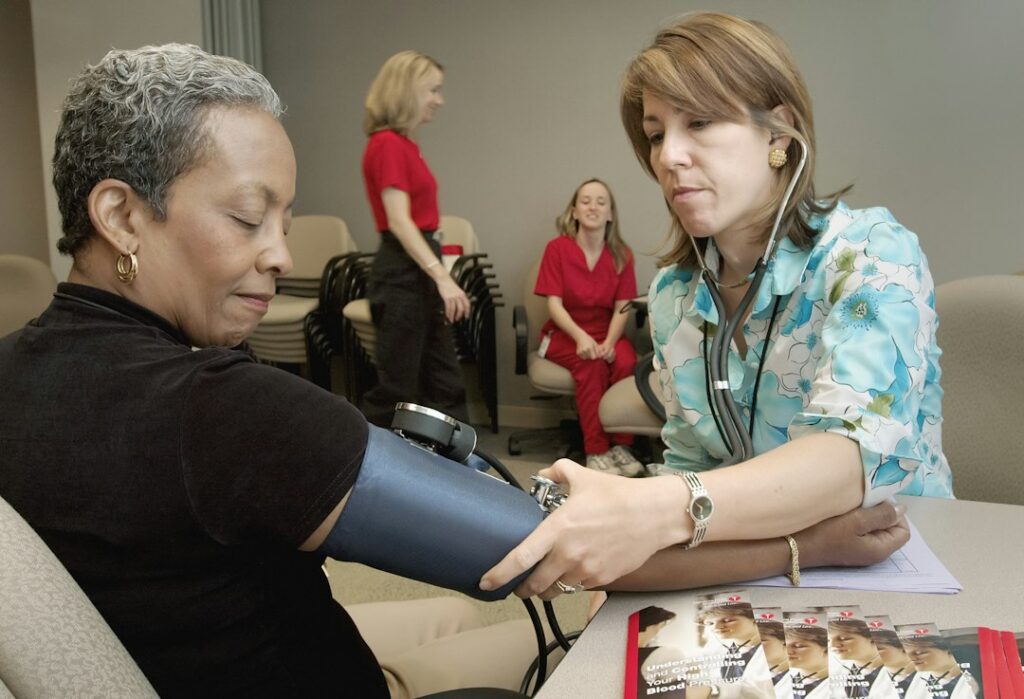
- Measuring certain vital signs when required by a prescriber’s instructions
Some residents may safely self-administer medications after an assessment. Others may need staff assistance because they cannot reliably identify the medication, remember the dose, or follow the timing instructions.
Residents and families should clarify whether medication administration is included in the base service fee or charged separately. It is also useful to ask how the residence handles prescriptions, over-the-counter medications, insulin, as-needed medications, and changes ordered by a physician.
Is nursing care available?
Some assisted living residences have nurses on staff or on call, but assisted living is not the same as a skilled nursing facility. The availability of licensed nurses, the hours of coverage, and the types of clinical tasks permitted can differ significantly.
A residence may be able to provide or coordinate supplemental health care, such as:
- Wound-care follow-up
- Diabetes monitoring
- Catheter-related care within permitted limits
- Injections or other medication-related services
- Vital-sign checks
- Health assessments after an illness
- Hospice or home health services delivered by an outside agency
These services may require a separate agreement or outside provider. The residence may coordinate access without paying the medical bill. Medicare generally does not pay for room, board, or ongoing custodial assistance in assisted living, although separate medical services may be covered when eligibility and billing requirements are met.

Can residents receive therapy or home health services?
Residents may be able to receive physical, occupational, speech, or skilled nursing services in the residence after an illness, injury, surgery, or hospital stay. These services are usually arranged through a physician’s order and provided by an outside home health or therapy agency.
Examples include:
- Physical therapy after a fall
- Occupational therapy to improve dressing or safe transfers
- Speech therapy for communication or swallowing concerns
- Skilled nursing visits for short-term medical needs
- Rehabilitation after hospitalization
Therapy is usually time-limited and focused on a defined goal. It should not be confused with the daily personal care that assisted living staff provide.
What support is available for memory loss?
Many residences offer basic cognitive support, including reminders, structured routines, supervision, and activities designed to reduce confusion. Some have a designated memory-support program with additional training, security measures, and specialized activities.
Families should ask how the residence responds to wandering, nighttime confusion, medication refusal, agitation, or changes in judgment. A setting that can support mild memory impairment may not be equipped for advanced dementia, frequent unsafe behaviors, or complex psychiatric needs.
A clear discussion about current symptoms and likely future needs can prevent misunderstandings about what the residence can safely provide.
How are emergencies handled?
Assisted living residences generally provide 24-hour supervision, emergency response procedures, and plans for contacting emergency services and family members. Staff may respond to falls, sudden illness, breathing problems, chest pain, severe bleeding, or other urgent conditions.
Emergency response does not mean a residence can replace an emergency department. Staff may provide immediate assistance, call emergency responders, notify the designated contact, and document what occurred. Afterward, the resident’s support plan may need to be reviewed.
Seasonal conditions also deserve attention. Winter ice, reduced daylight, summer heat, and storm-related power interruptions can affect mobility, hydration, transportation, and access to appointments. Residents who use walkers, oxygen, or other equipment should ask how emergency plans address these needs.
What should residents ask before choosing a residence?
A useful question is not simply, “What services are offered?” It is, “What happens if my needs change?” Ask for specific information about:
- Nurse coverage and availability
- Staff training for medication administration
- Response procedures after falls
- Assistance with bathing, toileting, and transfers
- Management of diabetes, wounds, or special diets
- Access to therapy and home health services
- Transportation to medical appointments
- Communication with family and medical providers
- Additional fees for higher levels of care
- Circumstances that could require a transfer to another setting
The written resident-home agreement and support plan should match the services discussed verbally. Clear documentation helps residents, families, and staff share the same expectations about daily assistance and health-related care.